Power of Personalisation in Modern E-Commerce Marketing
In the ever-changing marketing scene, one trend stands out as both an innovative force and a necessary evolution: personalization. Customers these days are bombarded with information and choices, personalization has emerged as the key differentiator for businesses aiming to capture attention, foster loyalty, and drive growth. The growing importance of e-commerce personalization in marketing cannot be overstated, as it addresses the modern consumer's demand for relevant, timely, and engaging experiences.
What Is Personalization in Marketing?
What does personalised mean in marketing? Personalisation in marketing means tailoring messages, offers, and customer experiences based on their behaviors and past interactions.
It moves beyond generic campaigns to create a more engaging conversation between brands and consumers. By using data insights, advanced analytics, and artificial intelligence, personalization delivers unique and relevant experiences at every stage of the customer journey.
The Shift Towards Personalized Marketing
Several factors have contributed to the shift toward personalised marketing:




Consumer Expectations
Today's consumers wish that brands understand their needs and preferences. According to a report, 71% of customers expect personalised experiences, while 76% are more likely to purchase from brands that personalise their interactions. Personalisation is no longer a luxury; it's a consumer expectation.
Technological Advancements
The advent of big data, machine learning, and AI has made it possible to analyse vast amounts of data and derive actionable insights. These technologies enable marketers to predict consumer behavior, identify patterns, and deliver personalised message and experiences at scale.
Competitive Advantage
In a crowded market, personalization provides a competitive edge. Brands that successfully implement personalized marketing strategies see better engagement rates, increased customer loyalty, and improved ROI.
Enhanced Customer Experience
Personalisation improves the overall customer experience by making interactions more relevant and enjoyable. Customers engage with brands that provide tailored recommendations, personalized offers, and relevant content.
Key Benefits of Personalization
Increased Customer Engagement
Personalized marketing campaigns are more engaging because they align with the interests of customers. By giving relevant content and offers, brands can capture the attention of their segment and improve customer engagement. Engaged customers are more likely to explore products, share feedback, and become brand advocates.
35% Increase in Customer Lifetime Value Through Exceptional Customer Engagement
Know MoreImproved Conversion Rates
Do you know that personalisation has a direct impact on conversion rates? Tailored recommendations, emails, and personalised advertising are more likely to convert leads into customers. So, when customers feel that a brand understands their needs, they are more inclined to make a purchase.
Higher Customer Retention
Personalized or individual marketing plays a crucial role in retaining customers. By providing consistent and relevant experiences, brands can build long-term relationships with their customers. Personalization fosters loyalty by showing customers that the brand values their preferences and is committed to meeting their needs.
Enhanced Customer Lifetime Value
The top personalized marketing examples show that personalization increases customer lifetime value (CLTV) by encouraging repeat purchases and fostering loyalty. Personalising marketing strategies, such as loyalty programs and targeted drip campaigns, keeps customers engaged and incentivize them to continue buying from the brand.
Efficient Marketing Spend
Personalised marketing allows brands to allocate their personal marketing budget more efficiently. By targeting specific customer segments with personalized advertising and personalised messages, brands can reduce waste and increase the effectiveness of their campaigns. This targeted approach ensures that customised marketing reach customers who are more likely to convert.

Implementing Personalization in Marketing
To effectively implement personalization in marketing, brands should consider the following strategies:
Collecting and Analysing Data
Collecting and analysng customer data is the foundation of personalisation. Brands should gather data from various sources, including website interactions, purchase history, social media activity, and customer feedback. Advanced analytics tools can help in segmenting customers and identifying patterns.
40% Reduced Data Management Costs By Centralising Customer Data
Know More
Customer Segmentation
Customer segmentation refers to classifying customers based on common characteristics, such as customer behaviour, and preferences. This allows brands to tailor their personal marketing efforts to specific segments and deliver more relevant messages in personalised email and WhatsApp marketing.

AI-Powered Recommendations
Artificial intelligence plays a pivotal role in personalisation by providing predictive insights and recommendations. AI algorithms analyse customer data to predict future customer behaviour and deliver personalised product recommendations, content, and offers.

Omni-Channel Personalization
Personalization should be consistent across all channels, including email, social media, website, and mobile apps. Omni-channel communication ensures that customers enjoy a seamless experience, regardless of the platform they use.

Optimising Continuously
In reality. personalisation is an ongoing process. In other words, it requires continuous optimization. That is why e-commerce companies should regularly analyse the performance of their personalized campaigns. This helps you make adjustments to it based on customer feedback and changing preferences.

The Future of Personalization
The future of personalization in marketing is bright and full of potential. With technology continuing to evolve, the capabilities of personalized marketing will expand, offering even more sophisticated and accurate ways to engage customers. When they integrate of AI and machine learning, they can deliver hyper-personalized experiences that anticipate customer needs and preferences with unparalleled precision.
Maximise The Benefits Of Personalised E-Commerce Marketing with TechMonk
TechMonk helps e-commerce businesses make the most out of personalised marketing by bringing the right tools under the same roof. Using TechMonk personalization flows E-commerce companies have been able to achieve as high as.
- 66% increase in conversion rates
- 40% reduction in customer acquisition costs
- 50% increase in customer lifetime value
Curious how TechMonk achieves these metrics? Here is how we do that.
- Customer Data Platform: TechMonk's e-commerce CDP centralises customer data to build a 360-degree customer view, facilitating precise segmentation of customers.
- Customer Segmentation: With complete customer visibility, granular customer segmentation becomes possible. TechMonk supports RFM segmentation and cohort analysis to segment customers based on their interests, behaviour, and preferences.
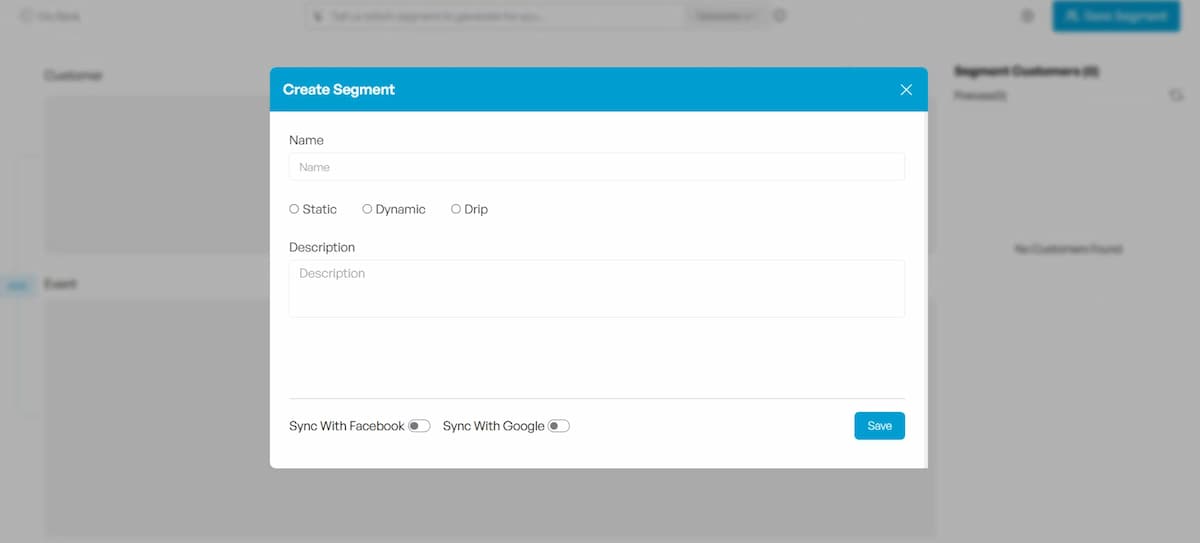
- E-Commerce Personalisation: By accurately segmenting customers based on their preferences, e-commerce companies can approach them with personalised recommendations and discounts.
- AI Support Agent: TechMonk's AI support agents can offer personalised support to e-commerce customers, answering their questions, rasing tickets but handing over conversations to human agents when it is unable to answer any specific query due to lack of knowledge.
- AI Sales Agent: The AI sales agent can offer your customers personalised responses, recommendations, and discounts to customers, encouraging them to complete purchases. They also nudge customers with personalised offers whenever they drop off throughout the customer journey.
TechMonk: The Best Personalisation Platform For E-Commerce.
Book a DemoConclusion
Personalisation is not just the future of marketing; it is the present necessity. Brands that embrace personalisation will be better positioned to capture customer attention, drive engagement, and achieve sustainable growth. By leveraging data, advanced analytics, and AI, e-commerce businesses can build meaningful and relevant experiences that resonate with their segment, turning casual shoppers into loyal advocates.
As marketers and entrepreneurs embark on their consumer growth journey, the importance of personalization cannot be overstated. It is the key to unlocking new levels of customer satisfaction, loyalty, and business success. Welcome to the future of marketing—where every interaction is personal, every engagement is meaningful, and every customer is valued.
Frequently Asked Questions
Have another question? Please contact our team!
Personalisation in marketing means tailoring messages, products, or services. These messages will match the needs or interests of each customer.